
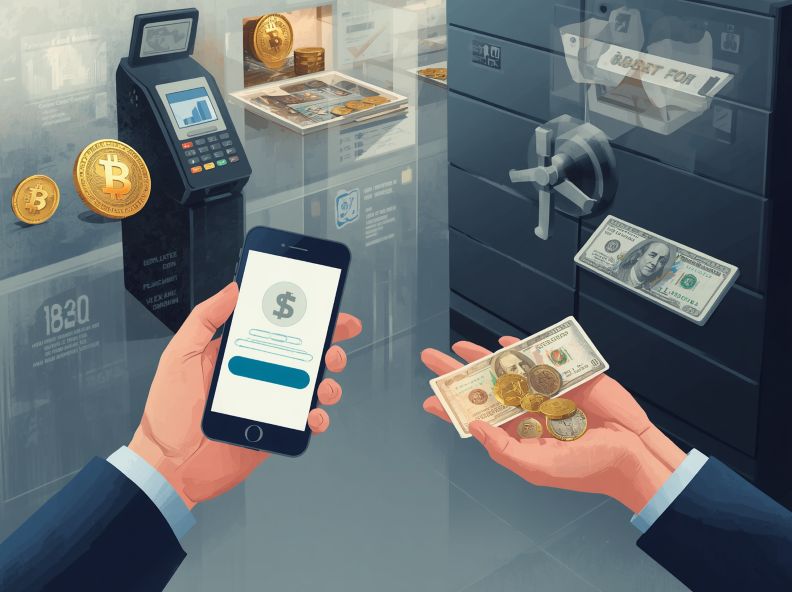
Digital payments continue to expand around the world as consumers adopt mobile wallets, contactless cards, and online banking for everyday transactions. Research from the World Bank and the Bank for International Settlements shows that electronic payment systems have improved transaction speed and broadened financial services in many economies. Even so, the growing use of digital money has also prompted a broader discussion about the lasting role of physical cash.
That conversation extends beyond everyday spending. Interest in rare coins and historic banknotes has grown as digital finance becomes more common. Experts at the American Numismatic Association note that collectors often view physical currency as an important record of political history, artistic design, and economic development. As more transactions move online, tangible forms of money have gained renewed attention for their cultural significance as well as their collectible value.
Cash Still Provides Practical Security
Although digital payment systems offer convenience, they depend on electricity, internet access, and functioning financial networks. Reports from the European Central Bank emphasize that cash remains an essential backup during power outages, cyber incidents, or technical disruptions. Physical currency allows transactions to continue when electronic systems become temporarily unavailable.
Emergency planning experts also recommend keeping a modest amount of cash available for unexpected situations. Guidance published by the Federal Emergency Management Agency (FEMA) includes cash among basic emergency preparedness supplies because electronic payment infrastructure may be disrupted following natural disasters or other crises.
Accessibility Remains an Important Consideration
Digital payments have expanded financial access for millions of people, yet they do not serve everyone equally. Findings from the World Bank Global Findex Database indicate that many adults around the world still lack access to formal banking or reliable digital financial services. Older adults, people living in rural communities, and individuals with limited internet connectivity may continue to rely heavily on physical money for daily purchases.
Maintaining cash as a payment option helps ensure that economic participation remains inclusive. Many central banks continue to support cash circulation even while developing digital currencies because multiple payment options strengthen financial resilience.
Digital Innovation Has Renewed Interest in Monetary History
Debates surrounding central bank digital currencies, tokenized assets, and stablecoins have encouraged more people to explore how money has evolved over time. Researchers at the International Monetary Fund observe that digital currencies represent another stage in the long history of monetary innovation rather than a complete replacement for previous forms of exchange.
That broader perspective has encouraged museums, historians, and collectors to preserve coins and banknotes that reflect different periods of economic and political change. Physical currency tells stories about national identity, technological progress, and major historical events in ways that digital records cannot fully replicate.
Looking Ahead
Digital payments will likely continue to expand as financial technology advances and consumer preferences evolve. Even so, physical currency continues to provide reliability during emergencies, greater accessibility for diverse populations, and an enduring connection to economic history. Rather than viewing cash and digital payments as competing systems, many policymakers increasingly recognize that they can complement one another. Preserving physical money while embracing responsible innovation creates a more resilient financial ecosystem that serves practical needs today while protecting an important part of our shared monetary heritage.